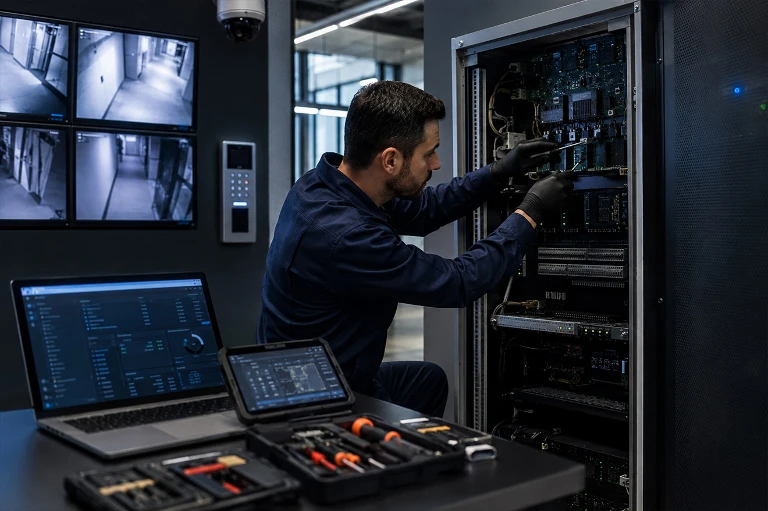
Project Design and System Integration

Bring security, artificial intelligence, and building technologies together under a single engineering framework.
We design scalable technology projects that accurately define requirements, plan data flows between systems from the outset, and validate the solution against clearly defined acceptance criteria.
iTech Project addresses electronic security, video management, access control, fire detection, artificial intelligence, networking, and building technologies within a unified project architecture. We manage the entire process end to end, from site surveys and detailed design to product selection, system integration, testing, training, and life-cycle support.
Integration approach: A successful project is not simply about selecting compatible products. The design phase must define where events originate, which data is transferred to which system, who is responsible for each action, and how the solution will be tested.
What Is System Integration?
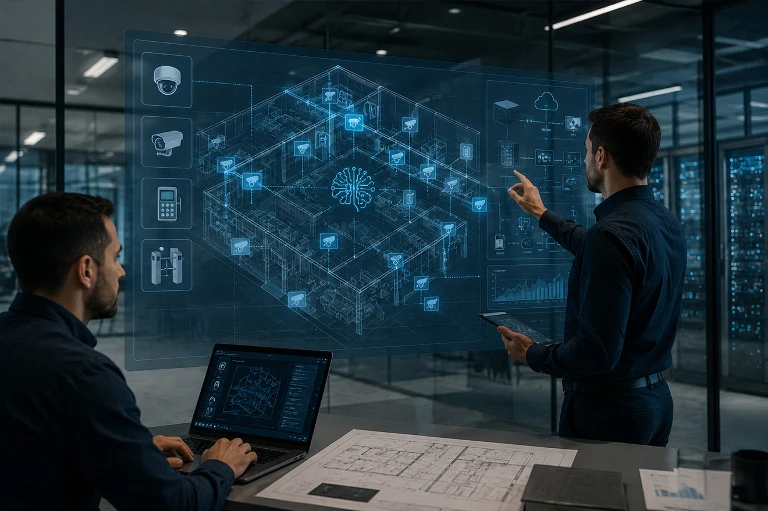
System integration is the process of designing different manufacturers and technology layers to work together within shared event, user, alarm, and reporting workflows. The goal is to create an IT compliant, future-ready architecture that operators can manage through a unified workflow rather than through disconnected applications.
Cybersecurity Design
In connected security systems, cybersecurity is not an add on introduced later; it is a core design input throughout the project life cycle. Depending on the risk level and product capabilities, secure default settings, network segmentation, identity management, encryption, log monitoring, and update processes are incorporated into the architecture.
- Role-based access and the principle of least privilege
- MFA, certificates, and encrypted communications on supported platforms
- VLAN/segmentation, firewall rules, and remote access policies
- Secure configuration, patching/device firmware, and vulnerability tracking
- Audit logs, backups, data retention, and authorized data export
BIM Coordination and Digital Documentation
In large, multidisciplinary projects, device locations, cable routes, and technical spaces can be incorporated into BIM coordination. Workflows that support open data exchange help identify conflicts between architectural, electrical, mechanical, and IT disciplines before implementation and enable up to date project information to be transferred to operations.
- Coordinated plans, diagrams, details, and device coding structures
- Revision tracking, product data sheets, and approval records
- As-built drawings, IP/address lists, and license inventories
- Digital handover packages tailored to operations and maintenance teams
- Our Differentiated Approach
Why iTech Project?
iTech Project brings security, information technology, and operational requirements together at the same design table without reducing the project to a simple product list.
Through vendor independent evaluation, controlled integration, and measurable acceptance criteria, we create practical, scalable, and sustainable system architectures.
Multidisciplinary Team
We bring together expertise in security, networking, software, and field engineering within a single project approach.
Integration and Modernization
We enhance your infrastructure in a controlled manner through integration and modernization solutions that protect existing investments.
Traceable Project Management
We manage every project stage in a traceable manner, from technical specification development through implementation and acceptance testing.
Secure and Scalable Design
We design cybersecurity-focused, operationally manageable solutions that can adapt to future growth requirements.
Let's design your technology project together, whether you need a new facility, modernization of an existing system, or multi-system integration.
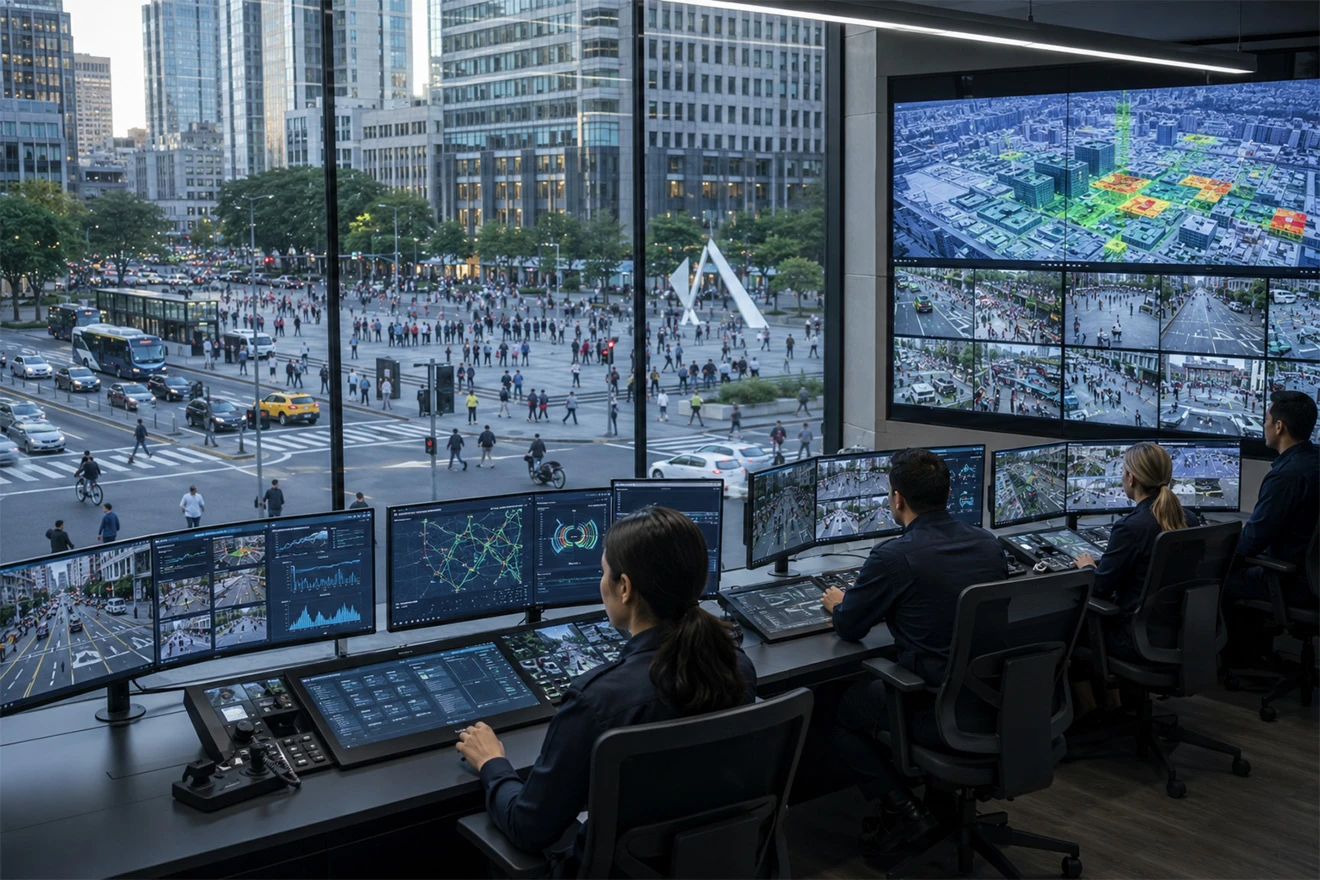
Key Systems That Can Be Integrated
CCTV, video management software, and AI powered video analytics, access control, visitor management, turnstiles, and biometric authentication, intrusion alarms, perimeter security, and unauthorized entry detection, fire detection, emergency public address, and controlled emergency scenarios, intercom, license plate recognition, parking management, and mobile security applications, BMS/SCADA, IoT, POS/ERP, and enterprise reporting platforms
Frequently Asked Questions
When interfaces, licenses, data flows, and the responsibilities of all parties are addressed after the project has been completed, the risks of increased costs, incompatibility, and delays may rise. When the integration matrix is prepared during the design phase, product selection, infrastructure requirements, scope of work, and acceptance testing can be planned according to shared objectives.
If the required device, protocol, licensing, performance, and cybersecurity conditions are met, part of the existing investment may be incorporated into the new system architecture. The components to be retained should be determined based on a detailed inventory assessment, current compatibility lists, and testing under actual site conditions.
Vendor-independent design enables products to be compared not only based on brand preference, but also according to technical requirements, integration capabilities, life cycle, manufacturer support, and total cost of ownership. The final product selection should be based on verified compatibility and project objectives.
For projects where it is required, FAT involves testing equipment, software, or integrations in a controlled environment before they are delivered to the site. SAT covers the verification of the installed system under actual site conditions through functional, performance, alarm, and integration scenarios.
As-built drawings, system diagrams, device and IP address lists, license and warranty information, the user access rights matrix, testing and acceptance records, training records, system backups, and the maintenance plan should be among the core components of the handover package. It is important that the documentation is current, accessible, and prepared in a way that supports sustainable operations.