CCTV and Intelligent Imaging Systems
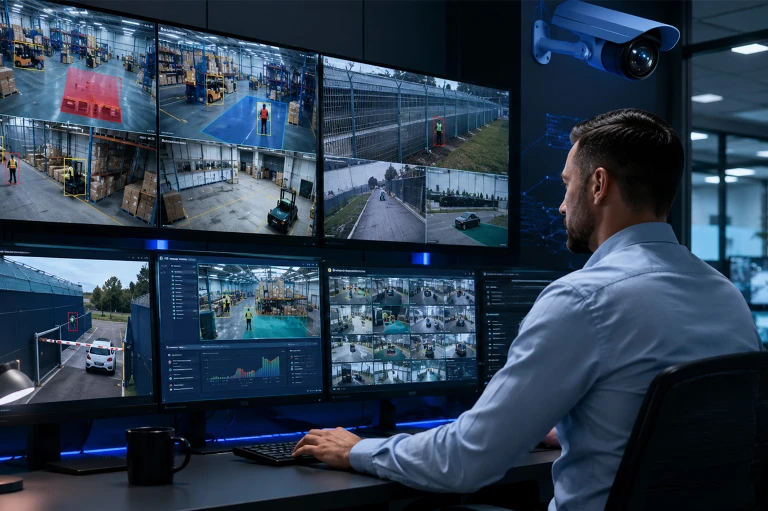
See, verify, and manage incidents with AI-powered video security.
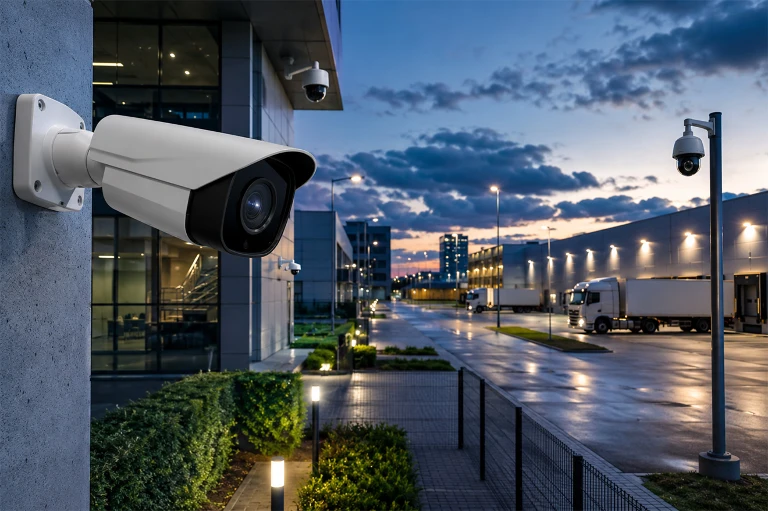
We increase the visibility of facilities, open areas, vehicles, and operations by combining cameras, recording, video analytics, alarms, and integration components within a single security architecture.
iTech Project designs corporate CCTV and IP camera projects not merely as device selection, but as integrated systems encompassing image quality, coverage, networks, storage, cybersecurity, privacy, alarm management, and life-cycle requirements. New installations, existing infrastructure modernization, and multi-location centralization projects can be phased according to specific needs.
Core approach: The right CCTV solution is not simply about achieving the highest megapixel value. The target scene, lighting, movement, identification requirements, retention period, bandwidth, and operator workflow must be validated together.
What Is a CCTV and Video Surveillance System?
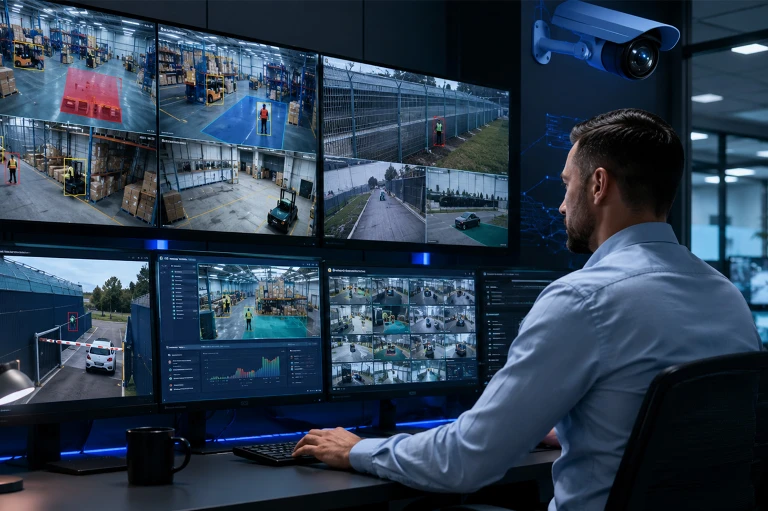
CCTV is a video surveillance ecosystem consisting of cameras, network infrastructure, recording and storage components, video management software (VMS), operator displays, and security procedures. In addition to live monitoring and post-incident investigation, the system can provide analytics, alarm verification, evidence management, and integration with other security systems.
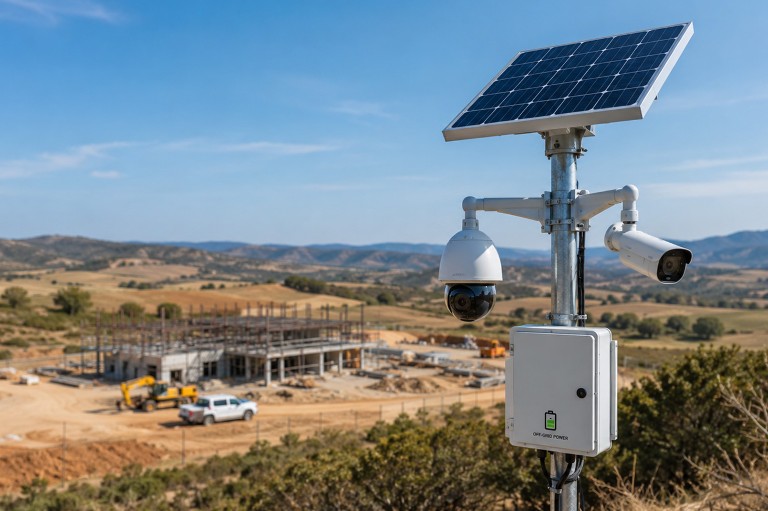
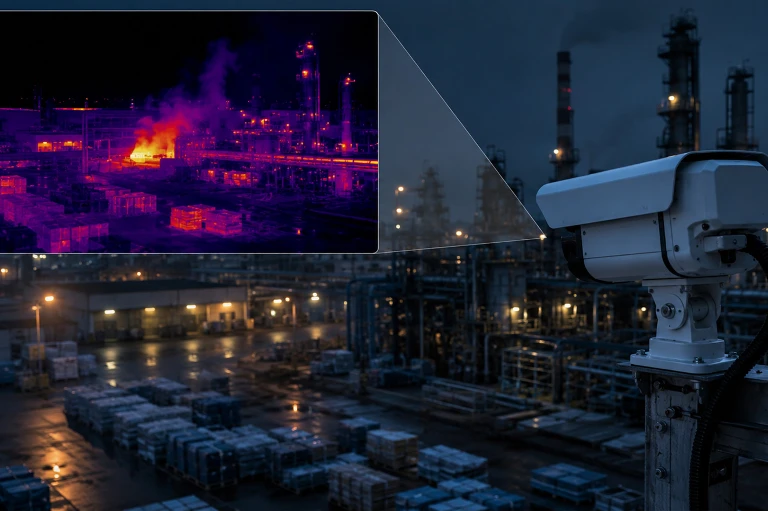
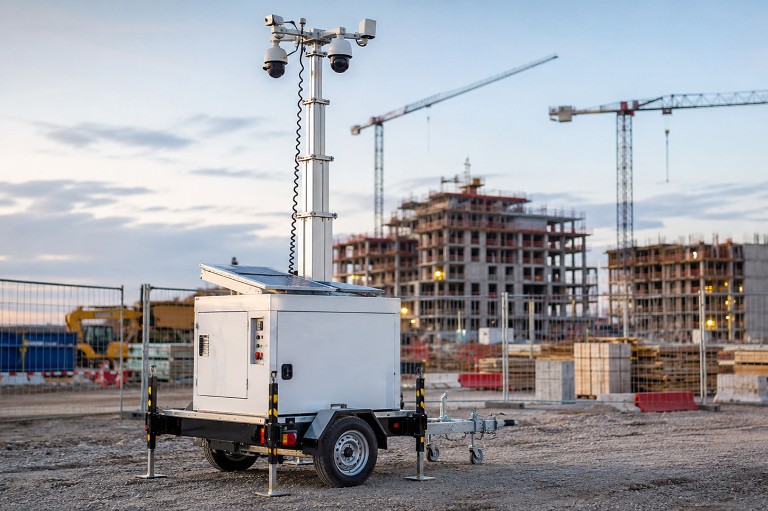
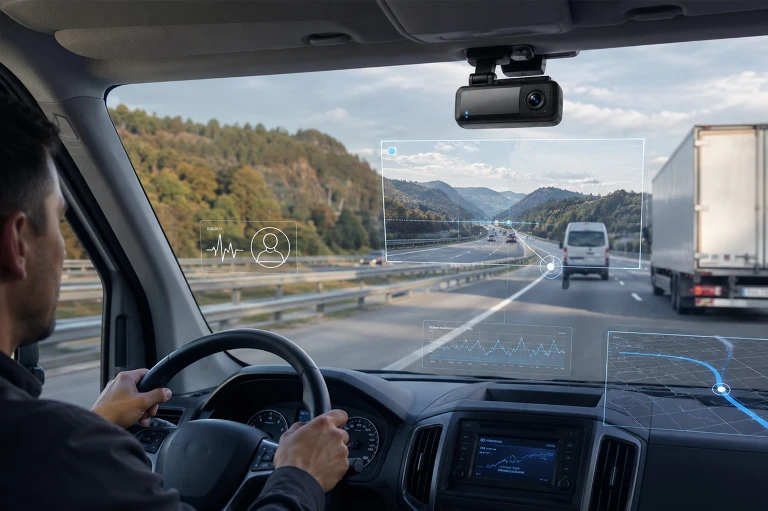
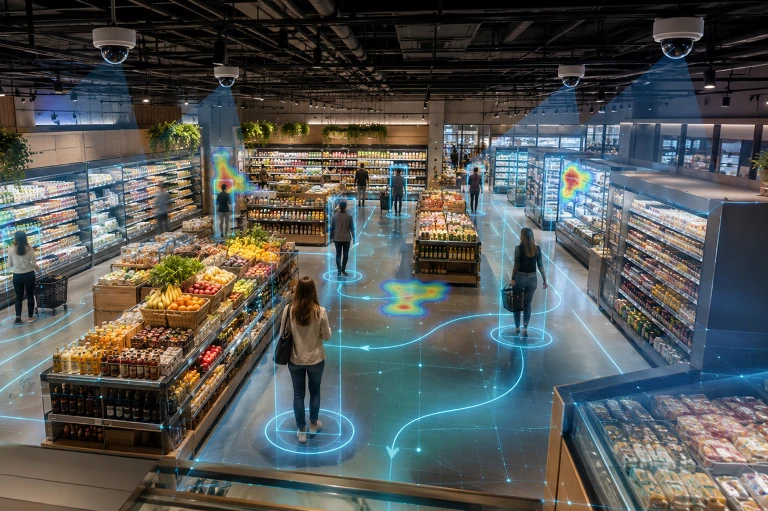
Application Areas: Factories, warehouses, logistics centers and energy facilities, retail stores, shopping malls, hotels, hospitals and campuses, construction sites, mines, agricultural areas, solar energy sites and remote locations, parking areas, residential complexes, office buildings and corporate facility entrances, smart cities, transportation, critical infrastructure and large-scale perimeter security, fleets, service vehicles, public transportation and mobile operations
Why iTech Project?
iTech Project combines camera hardware, VMS, artificial intelligence, network infrastructure, storage, and field engineering within a single project approach. It develops solutions that protect existing investments, reduce vendor dependency, and are based on measurable acceptance criteria.
- Requirements-driven design beginning with scene and incident objectives
- Pilot validation for critical imaging and analytics scenarios
- Engineering that encompasses cybersecurity, privacy, and the system life cycle
- Integration of multiple brands, locations, and security systems
Make your video security intelligent and manageable. For a new CCTV project, existing system modernization, video analytics, or centralized monitoring requirements, contact iTech Project.
Cybersecurity, Personal Data Protection, and Data Governance
IP cameras and recording systems are part of the corporate network. The design covers device identity, secure configuration, network segmentation, encrypted communication, patch management, log monitoring, and incident response requirements. NIST CSF 2.0 and IoT device security approaches may be used as references when defining control objectives in accordance with the organization’s risk model.
- Removal of default passwords, unique accounts, and role-based least privilege
- Segmentation of the camera/VMS network and access limited to required services
- Secure remote access, certificates, and supported encryption options
- Regular monitoring of firmware, software, vulnerability notifications, and support life cycles
- Rules governing access to recordings, export, audit trails, retention, and secure deletion
- Limiting camera coverage to its intended purpose and fulfilling notification obligations
Open Standards and System Integration
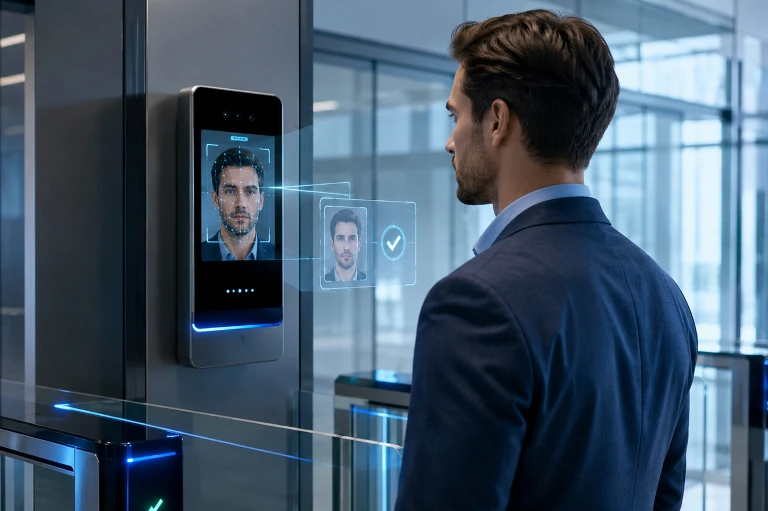
CCTV can integrate with access control, perimeter security, intercom, fire detection, building management, PSIM, and business intelligence platforms. ONVIF profile compatibility can support interoperability for specific functions such as video, events, recording, and analytics metadata; however, the required profiles and features must be verified on a product-by-product basis, and integration must be demonstrated through site acceptance testing.
Frequently Asked Questions
Megapixel count alone is not sufficient. Target distance, scene width, identification purpose, lighting conditions, lens, frame rate, and recording quality should be evaluated together. The suitability of critical scenes should be verified through on-site testing.
The camera model, firmware version, video profiles, event and analytics support, licensing structure, and cybersecurity status are assessed. Compatible devices can be retained within the existing system, while components with limited capabilities or discontinued manufacturer support can be replaced gradually.
Any video analytics system may generate false-positive alarms or miss events depending on the scene conditions. Camera angles, detection zones, threshold values, and operating schedules are optimized during the pilot implementation. For critical events, workflows supported by human verification should be used.
The retention period for recordings should be determined by considering the purpose of use, risk level, incident investigation requirements, legal obligations, data minimization, and storage capacity. There is no single default retention period applicable to every organization. The retention policy should be documented, and recordings that have reached the end of their retention period should be deleted automatically.
Continuous operation depends on the region’s solar exposure, solar panel and battery capacity, temperature conditions, camera power consumption, communication load, and the required autonomy period. The energy budget should be calculated based on the most adverse conditions of the year, while battery, connectivity, and device health should be monitored remotely.